Chrissi Island
The Golden Island of the Libyan Sea
Chrissi — meaning 'Golden' in Greek — is an uninhabited island approximately 15 kilometres south of Ierapetra, floating alone in the Libyan Sea. With no permanent residents, no roads, and no commercial development, the island offers a rare encounter with nature in an almost untouched state.
The journey south from Ierapetra takes roughly 45 minutes aboard EVI II. As the mainland shrinks behind you and the open water stretches in every direction, the air changes — saltier, quieter, more alive. Arrival at Chrissi always produces the same reaction: a sharp intake of breath at the clarity of the water.
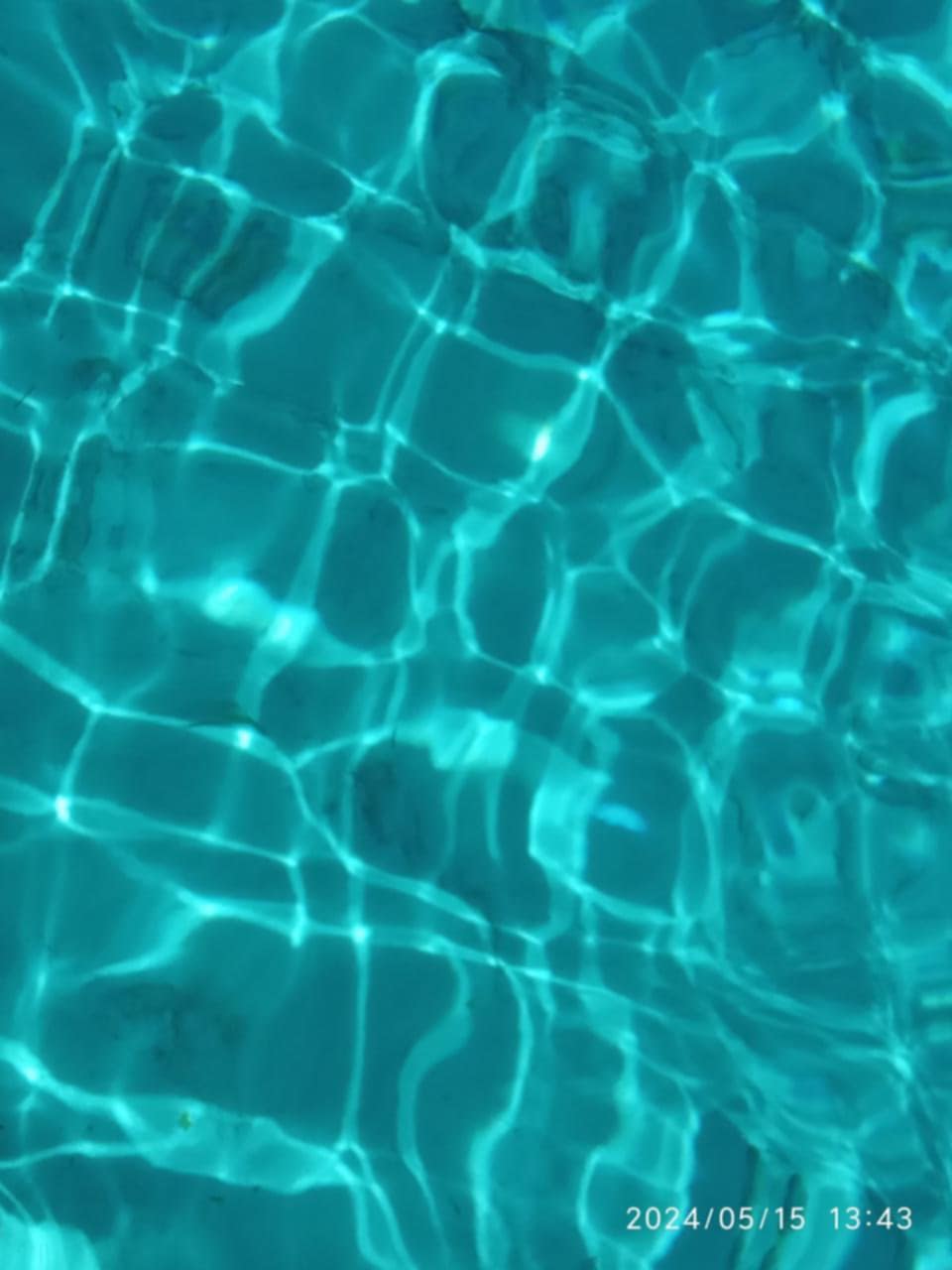
Two main beaches draw visitors: the north-facing Hatzivolakas, sheltered and calm with shallow turquoise water that deepens gradually to sapphire, and the wilder south beach, open to the Libyan Sea. Between them lies the extraordinary cedar forest — the largest natural growth of cedar trees in Europe — casting long shadows across white sand.
Protected Natural Area
A Protected Natural Treasure
Chrissi Island is designated under the European Union's Natura 2000 network of protected areas. Access to the island is carefully managed: visitors are transported by zodiac tender from the yacht to avoid hull impact on the shallow sandy floor. On shore, designated paths protect the fragile ecosystem. No overnight stays are permitted, and nothing may be removed from the island.
Transfer to the beach by zodiac boat is included in all Chrissi cruise packages.
The cedar forest at the heart of Chrissi is remarkable not only for its size but for its age. Some of the Juniperus macrocarpa trees growing here are estimated to be over 200 years old, their wind-sculpted forms creating an otherworldly landscape between sea and sky.
Chrissi carries the marks of human presence stretching back millennia. A small chapel dedicated to Saint Nicholas — patron saint of sailors — stands near the northern coast, visited by fishermen for centuries before the island became a destination. Nearby, an ancient Roman cemetery reveals graves cut directly into the rock, silent evidence of the island's role in Cretan maritime history.
Deeper in the island's record, archaeologists have identified traces of Minoan settlement — pottery sherds and structural remains suggesting that Bronze Age Cretans, among the great sailors of the ancient world, knew this island well. Chrissi was a waypoint on routes connecting Crete to Egypt and the Levant.
Sail to Chrissi Island
Sail to Chrissi Island
Choose from our Semi-Private, Adults-Only Sunset, or fully Private cruises to Chrissi.